













YOU MAY ALSO LIKE


































Frequently Asked Questions
What types of materials are commonly used in lucky charms?
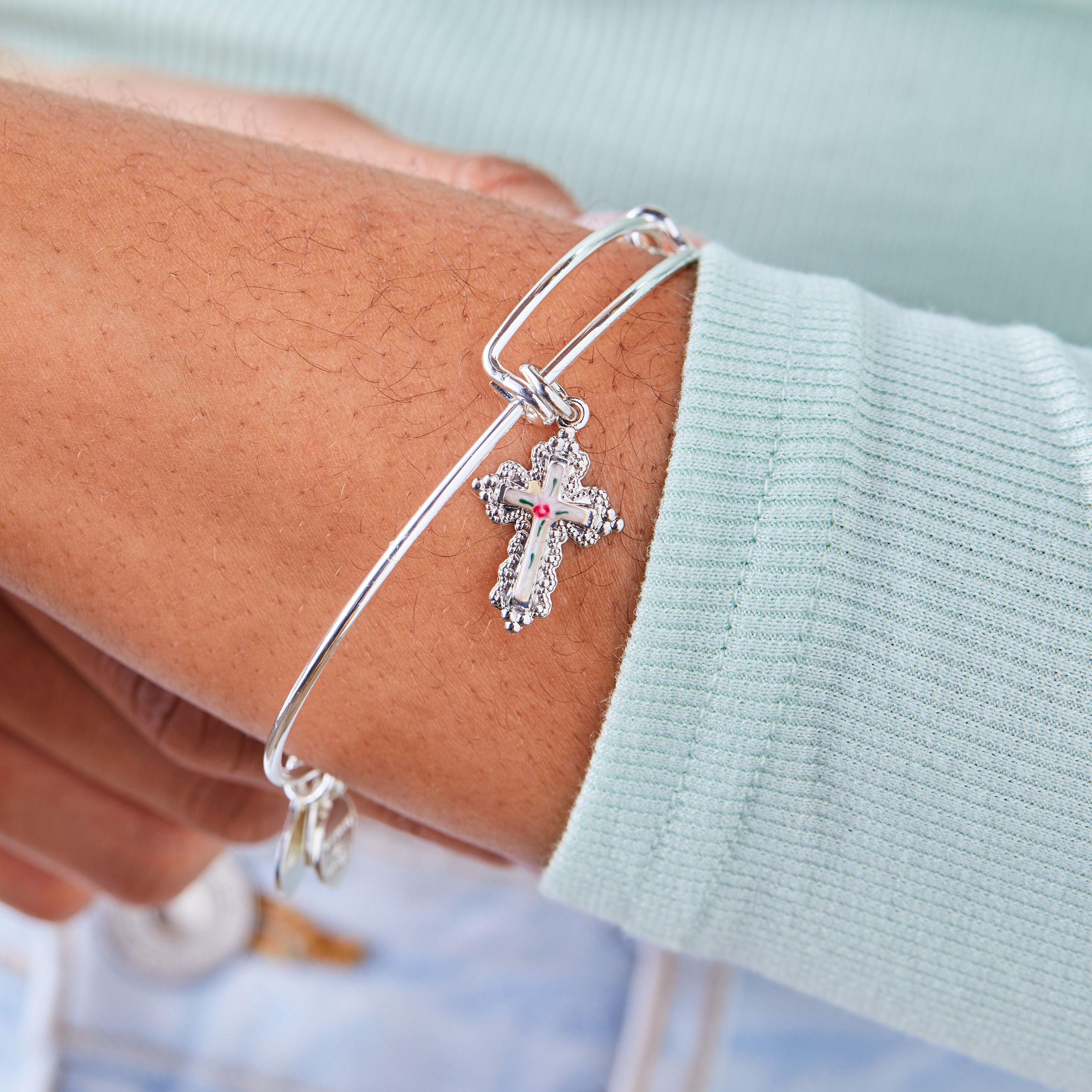
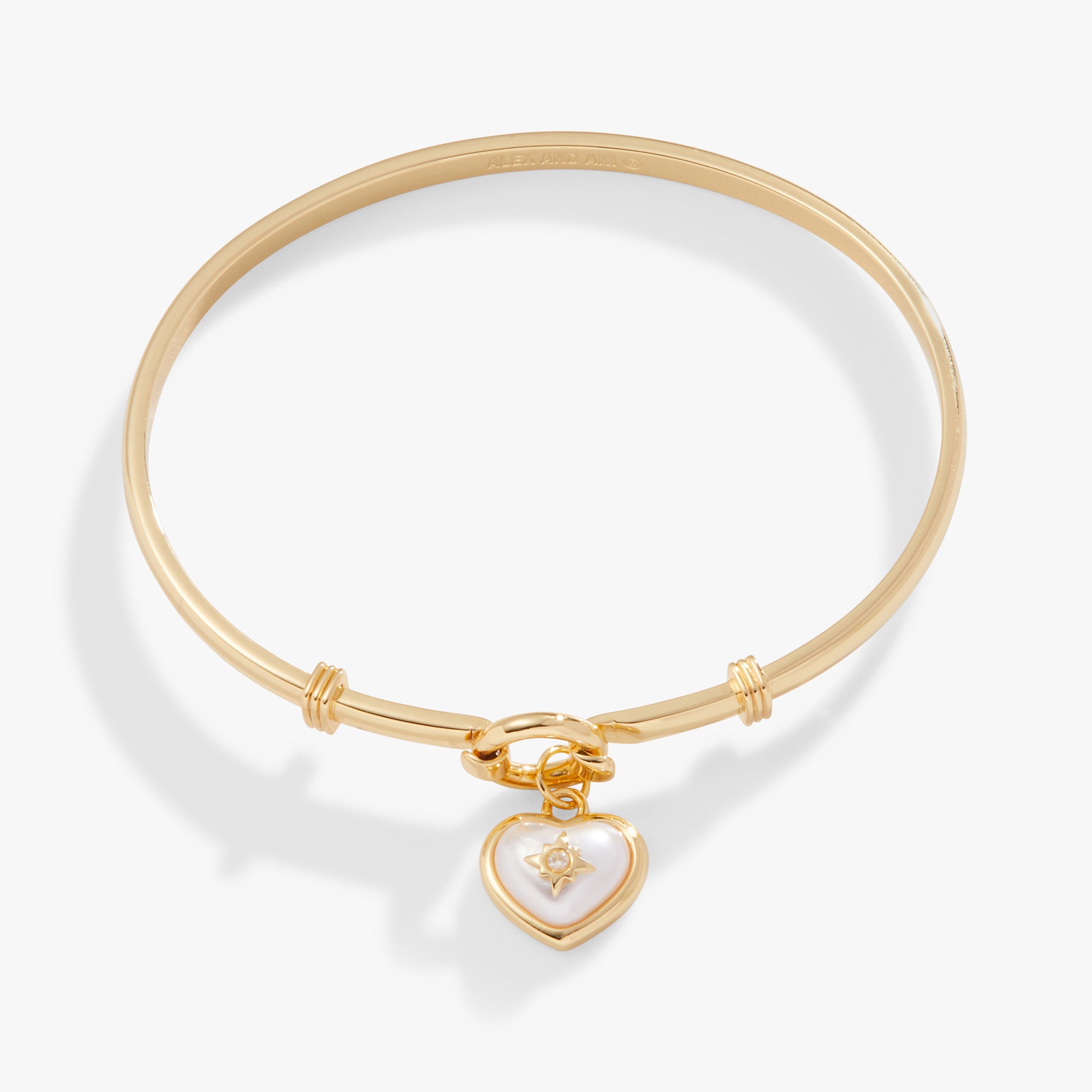
Lucky charms are often crafted from a variety of materials that enhance their appeal and meaning. Common materials include stainless steel, which offers durability and a sleek finish, as well as silver plating that adds a touch of elegance. Additionally, charms may feature embellishments like crystals or genuine Mother of Pearl, providing a playful and distinctive detail that captures the essence of good fortune. These materials not only contribute to the charm's aesthetic but also reflect the joyful spirit of self-expression.
How can lucky charms be incorporated into everyday jewelry styles?
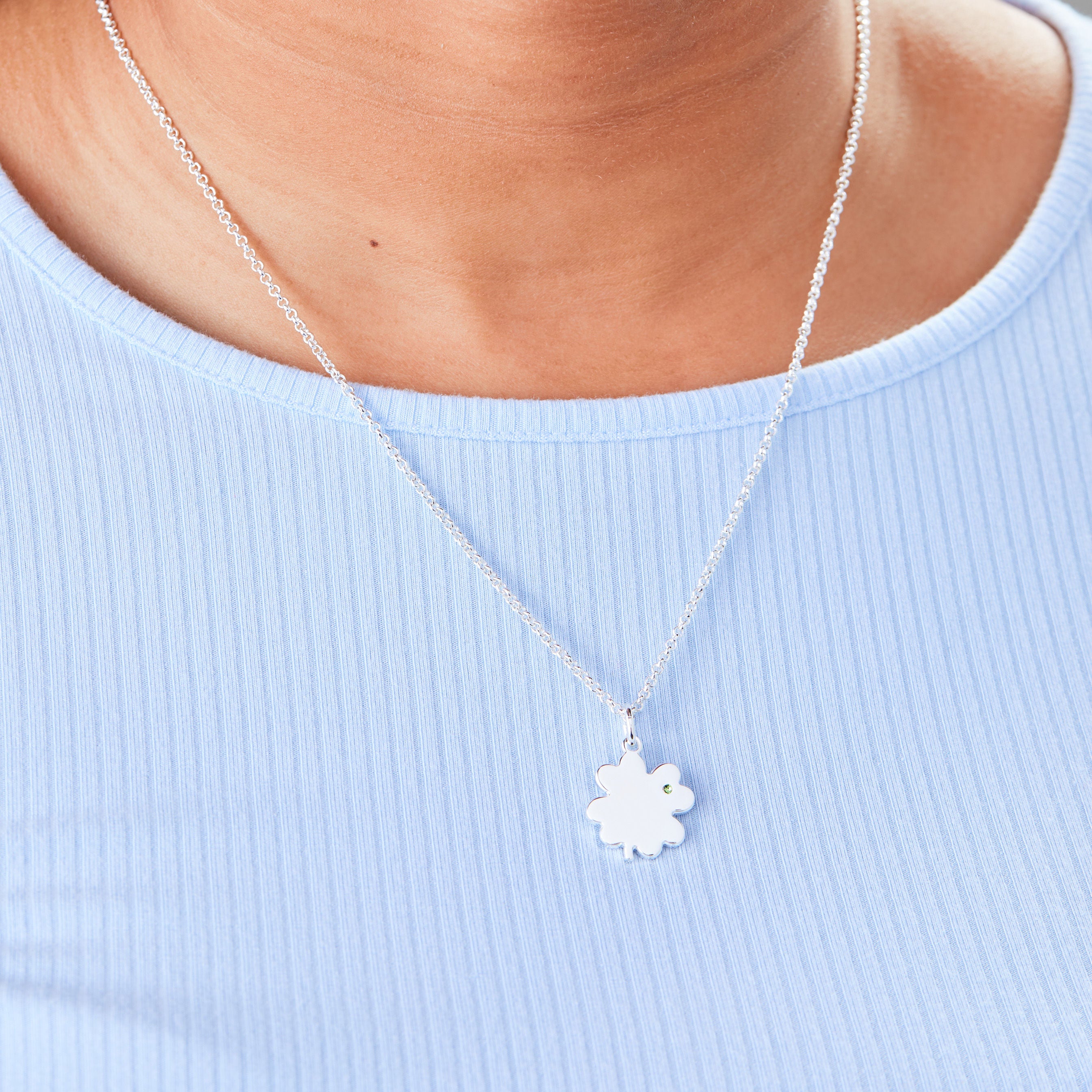
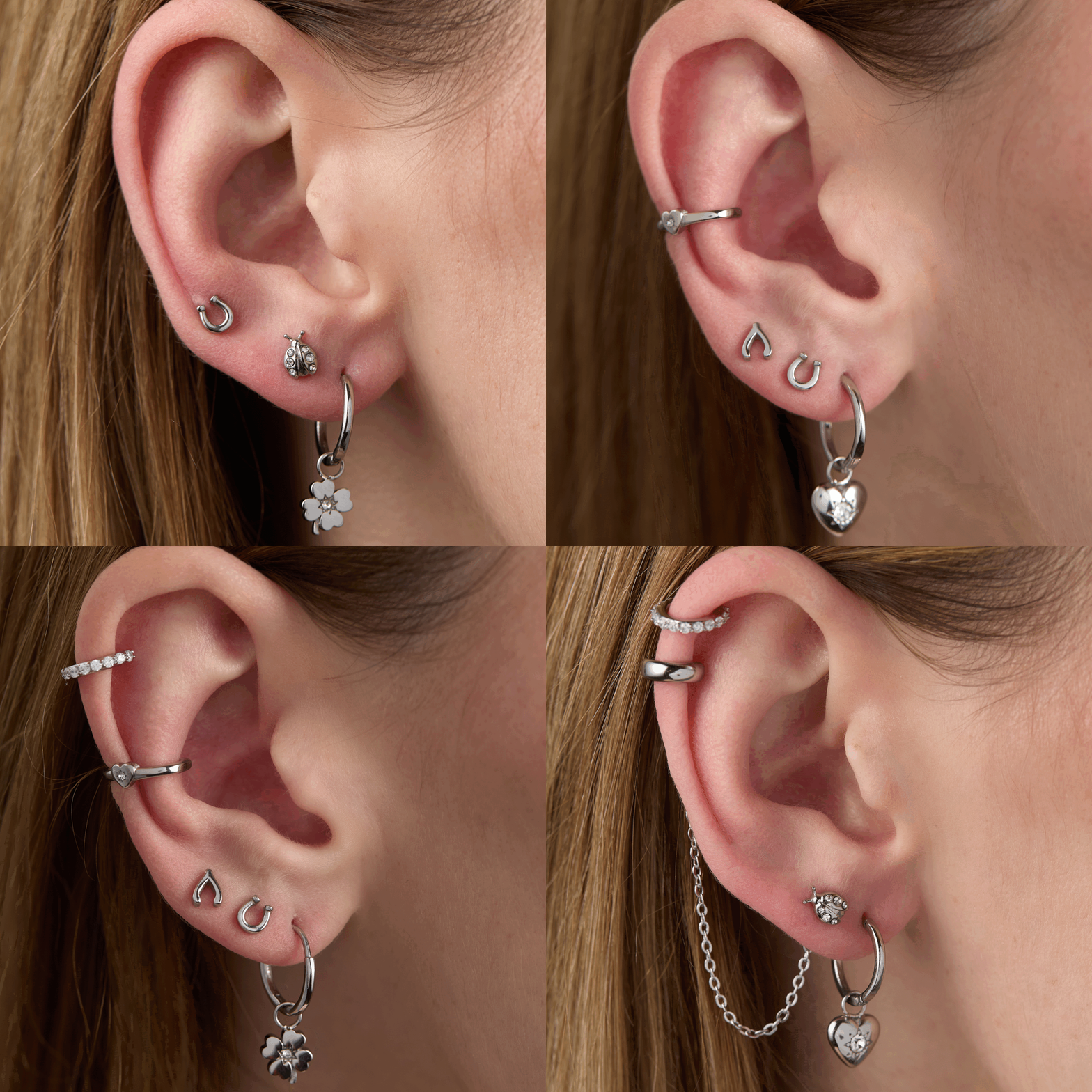
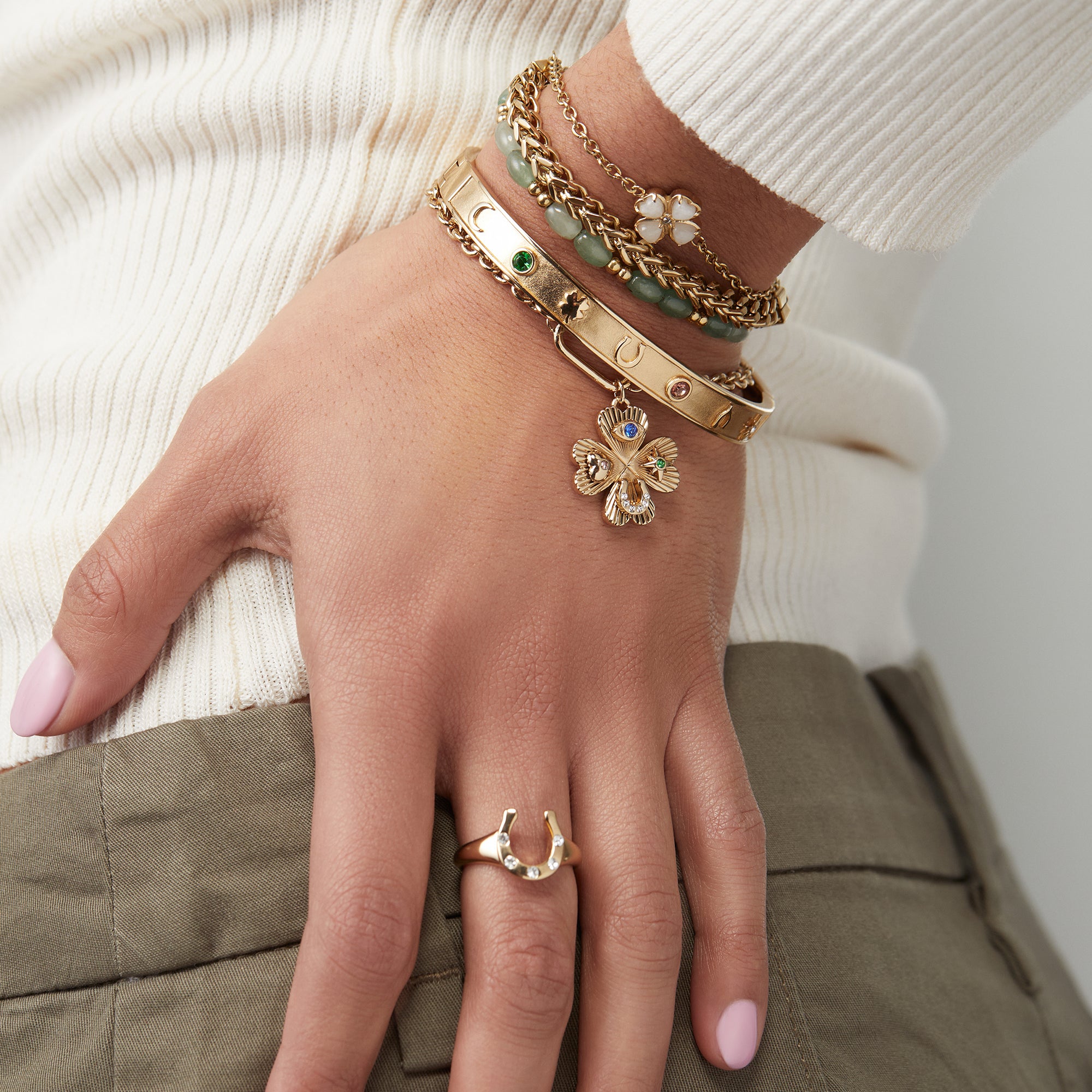
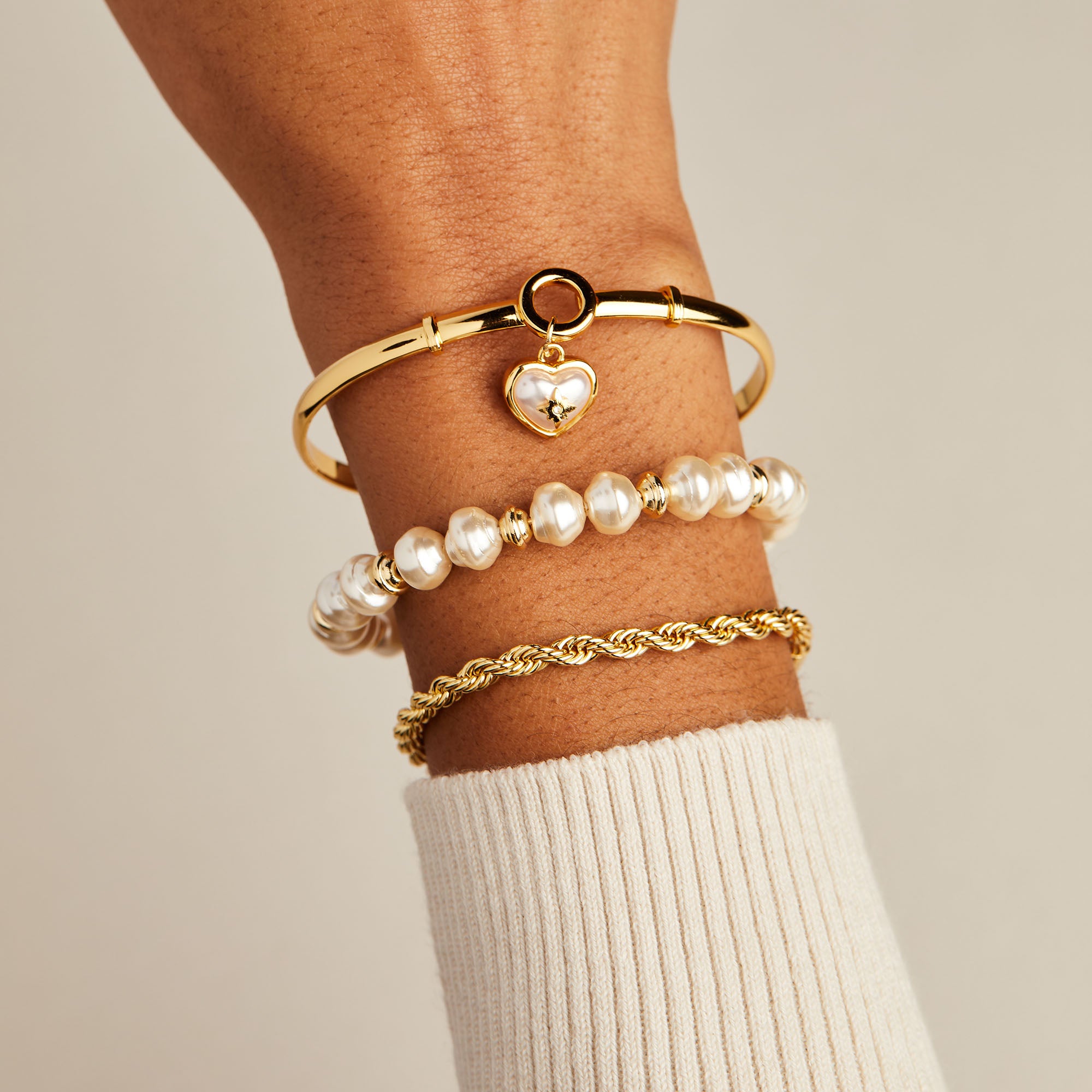
Lucky charms can effortlessly enhance everyday jewelry styles by adding a touch of personal significance and playful flair. Whether worn as standalone pieces or layered with other accessories, these charms serve as delightful reminders of positivity and good fortune. Incorporating them into bracelets, necklaces, or earrings allows for versatile styling, making it easy to express individual stories and sentiments. Embrace the charm of luck in your daily wear, transforming ordinary moments into meaningful expressions.
What are some popular symbols associated with lucky charms?
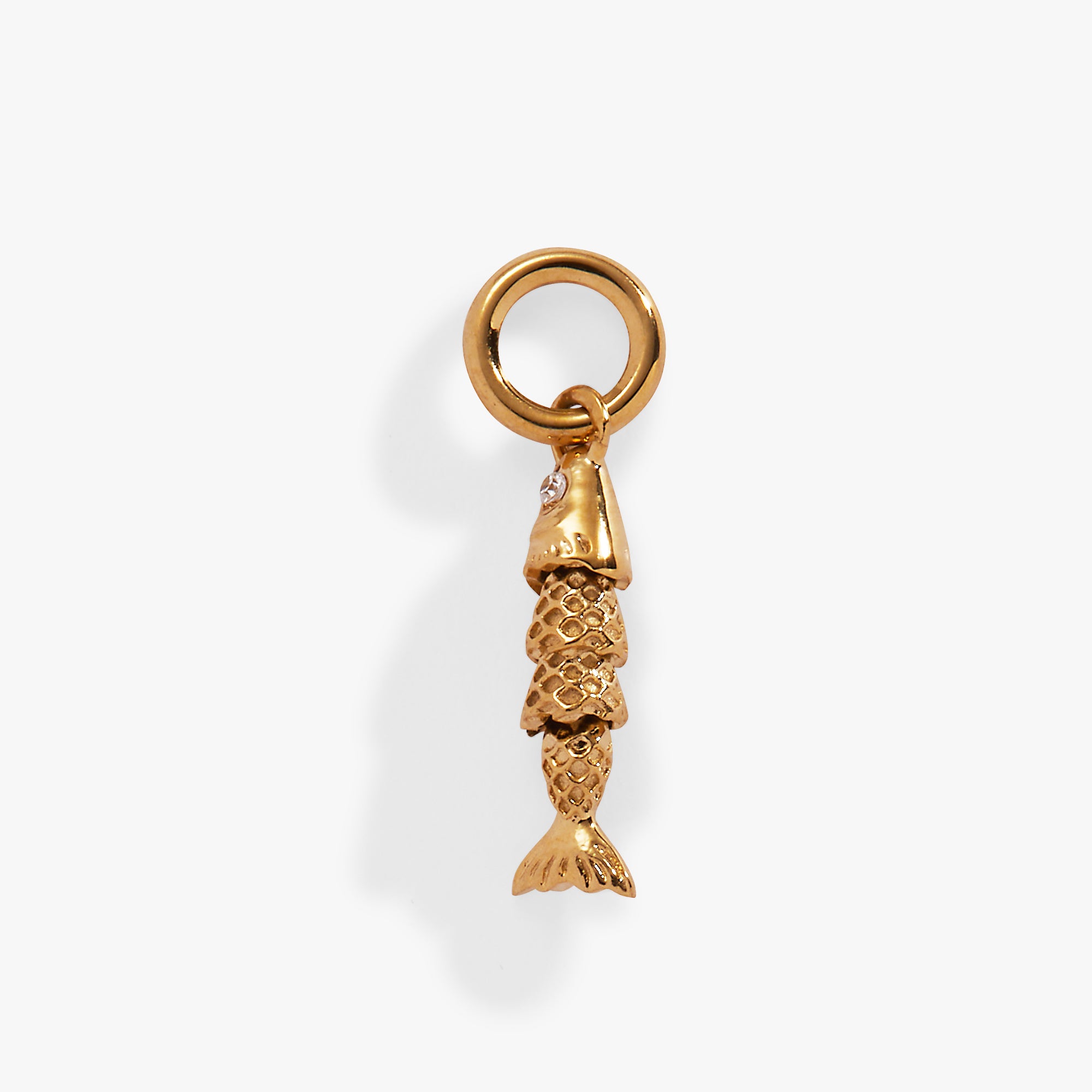
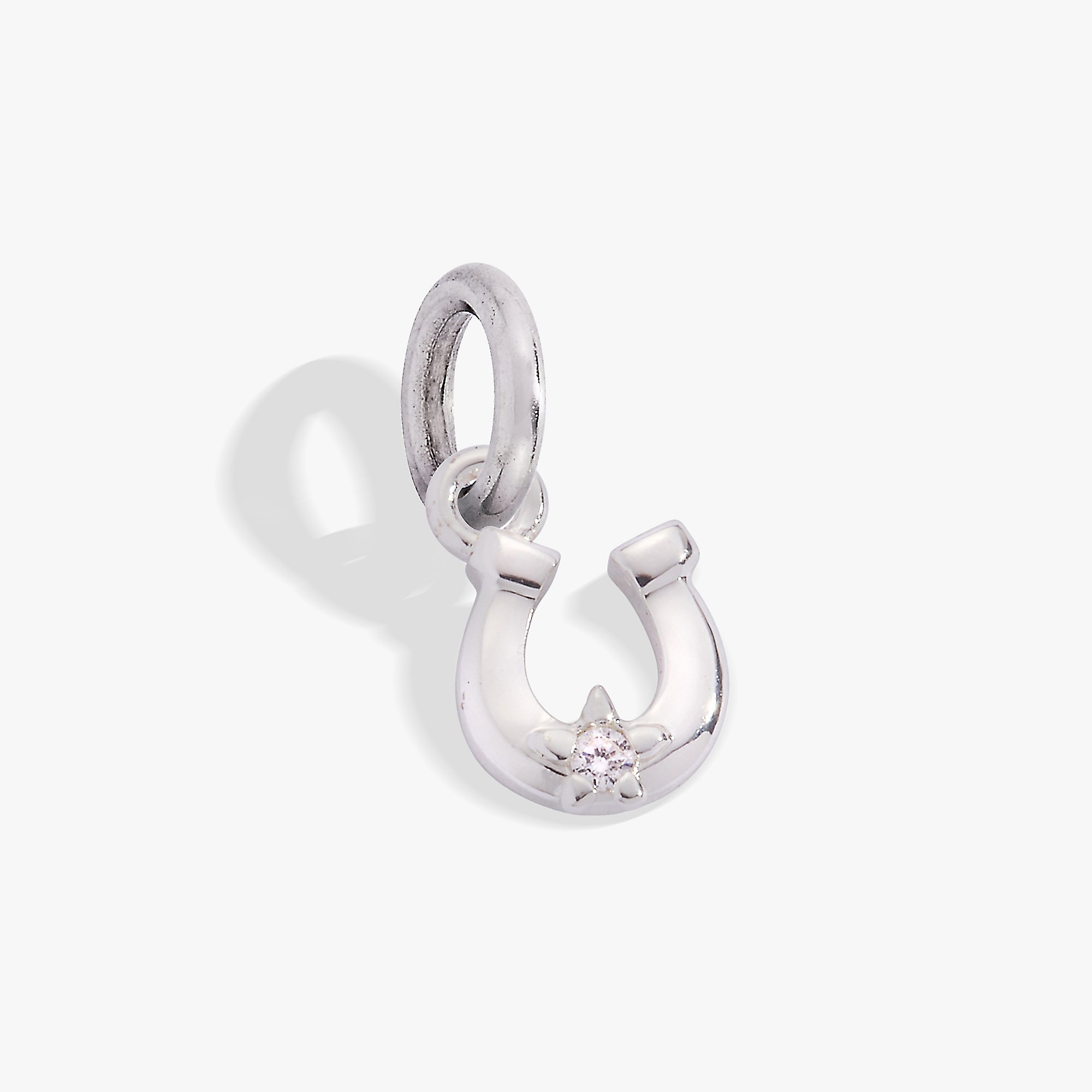
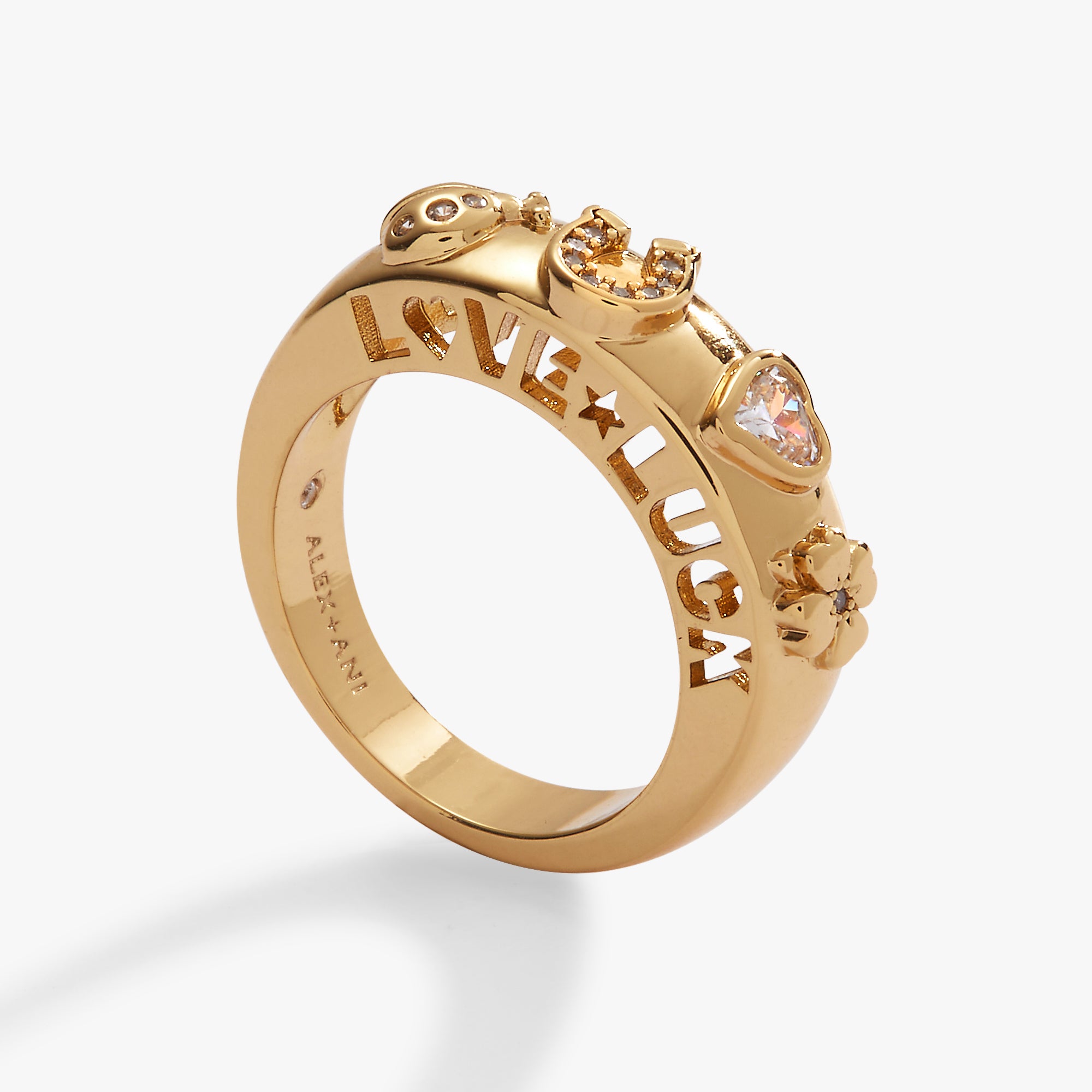
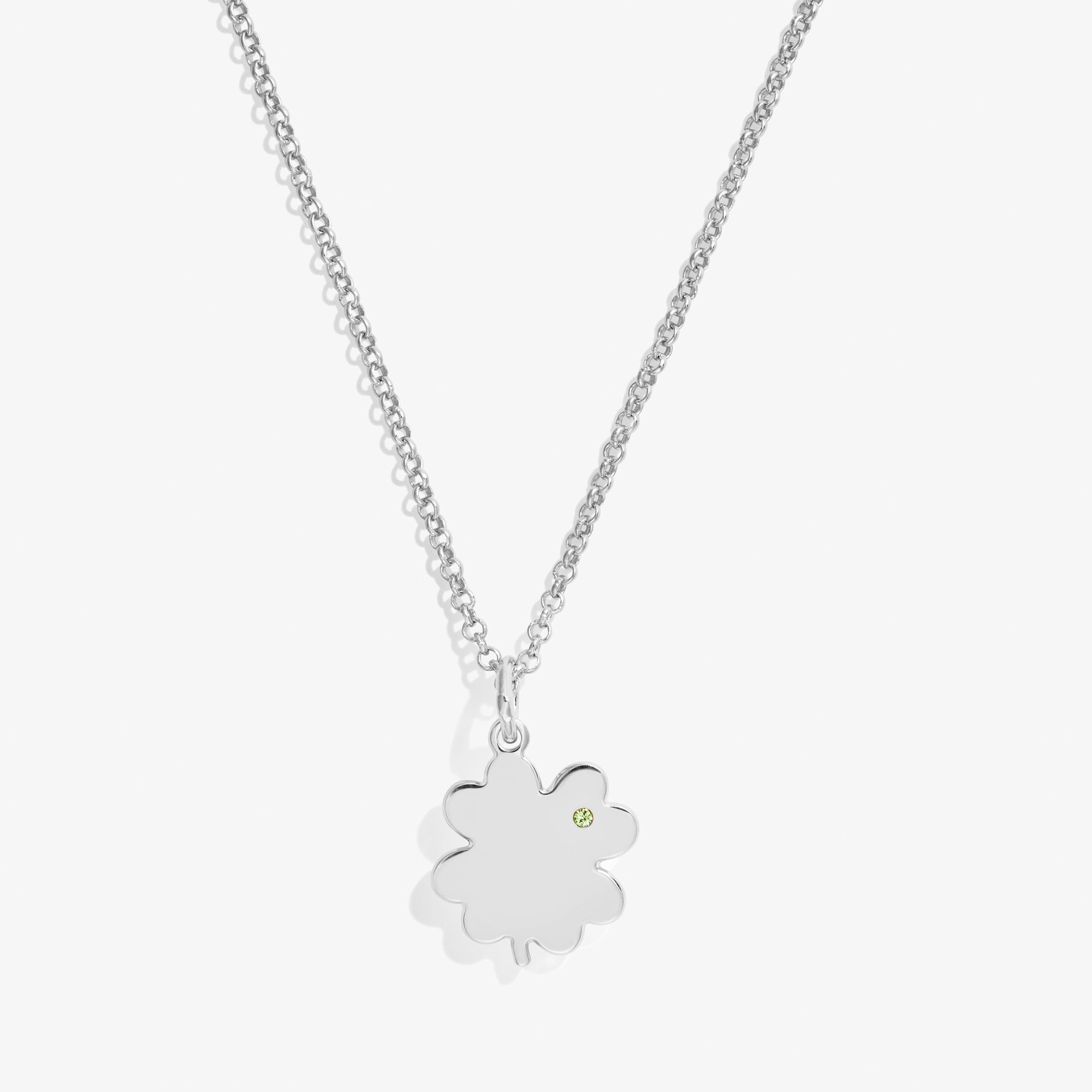
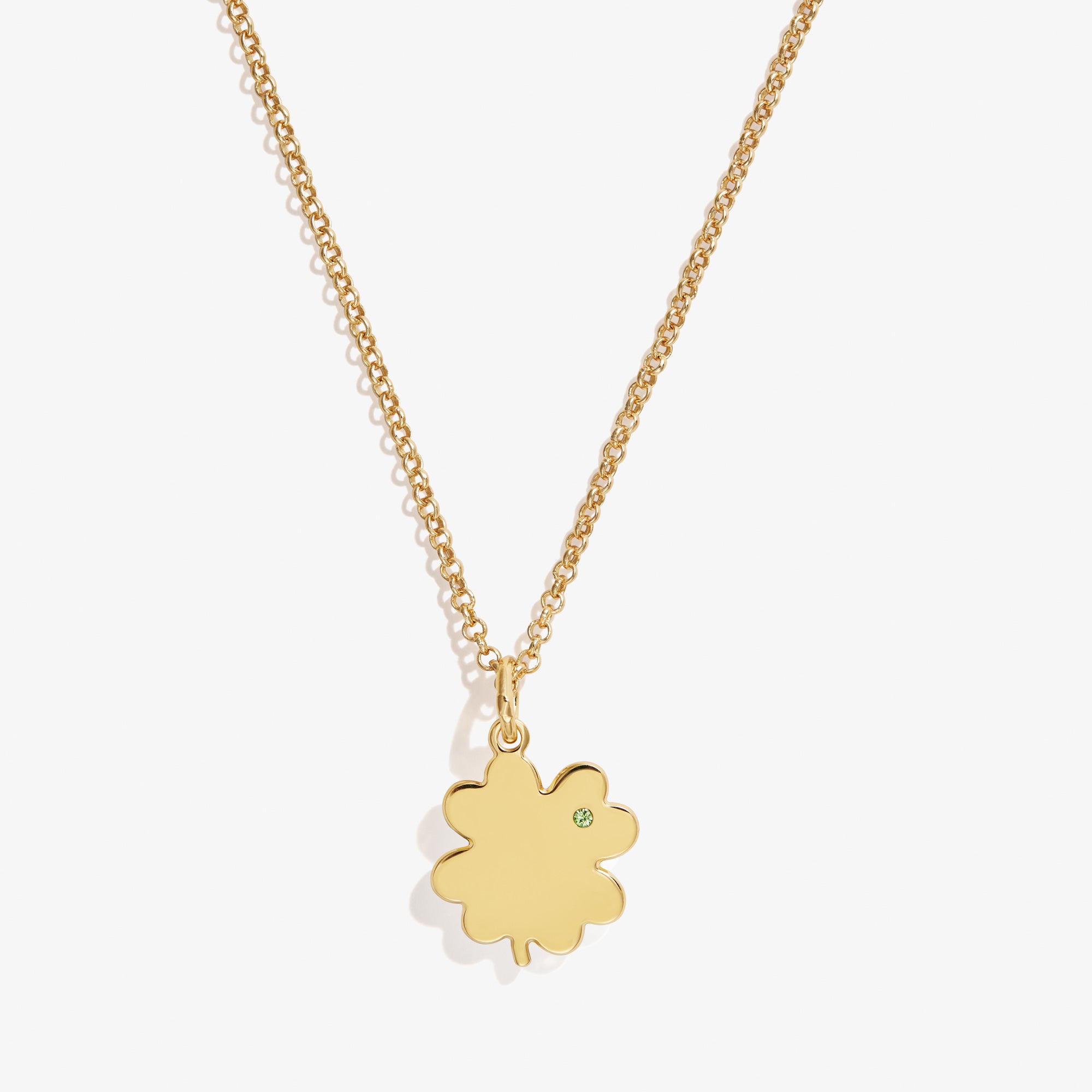
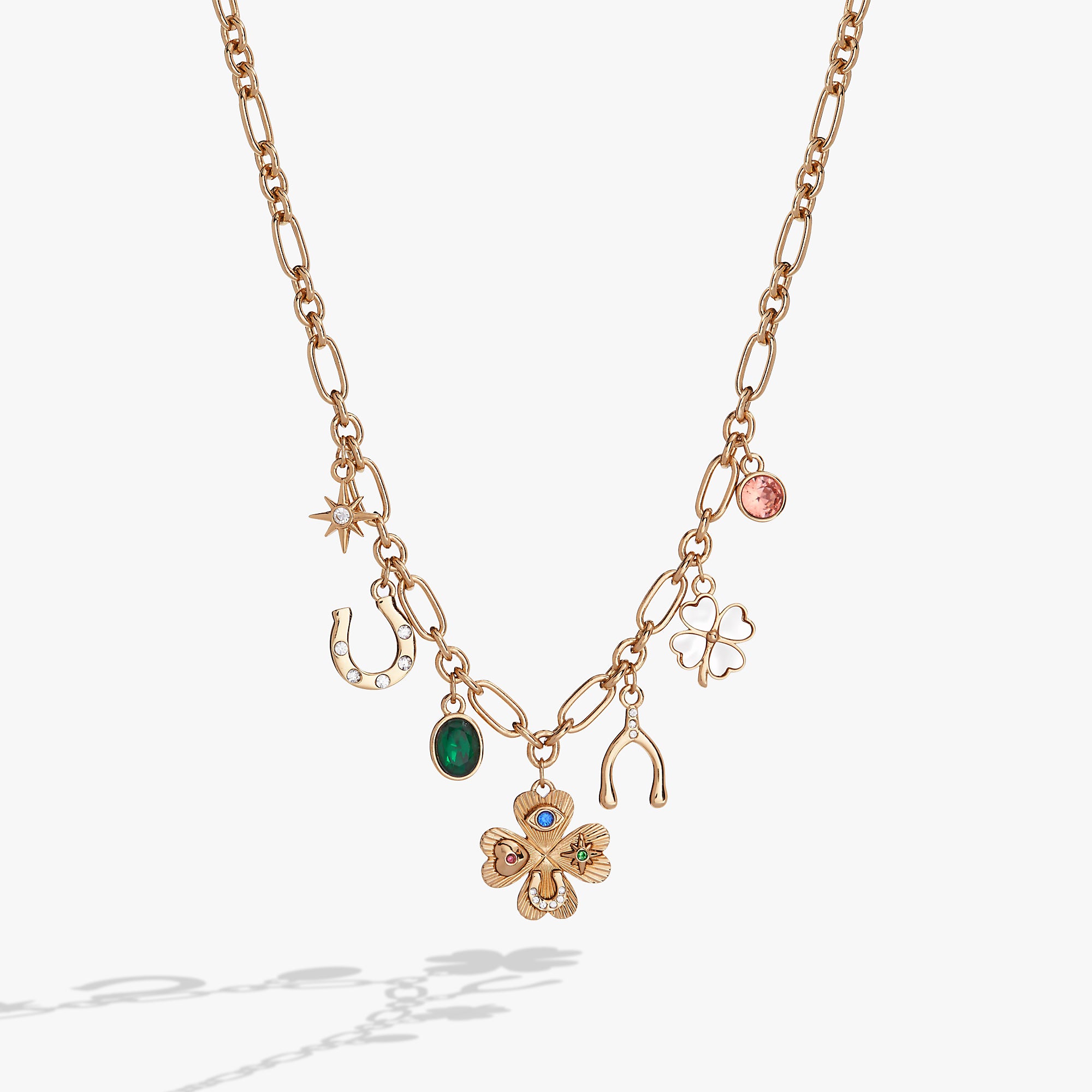
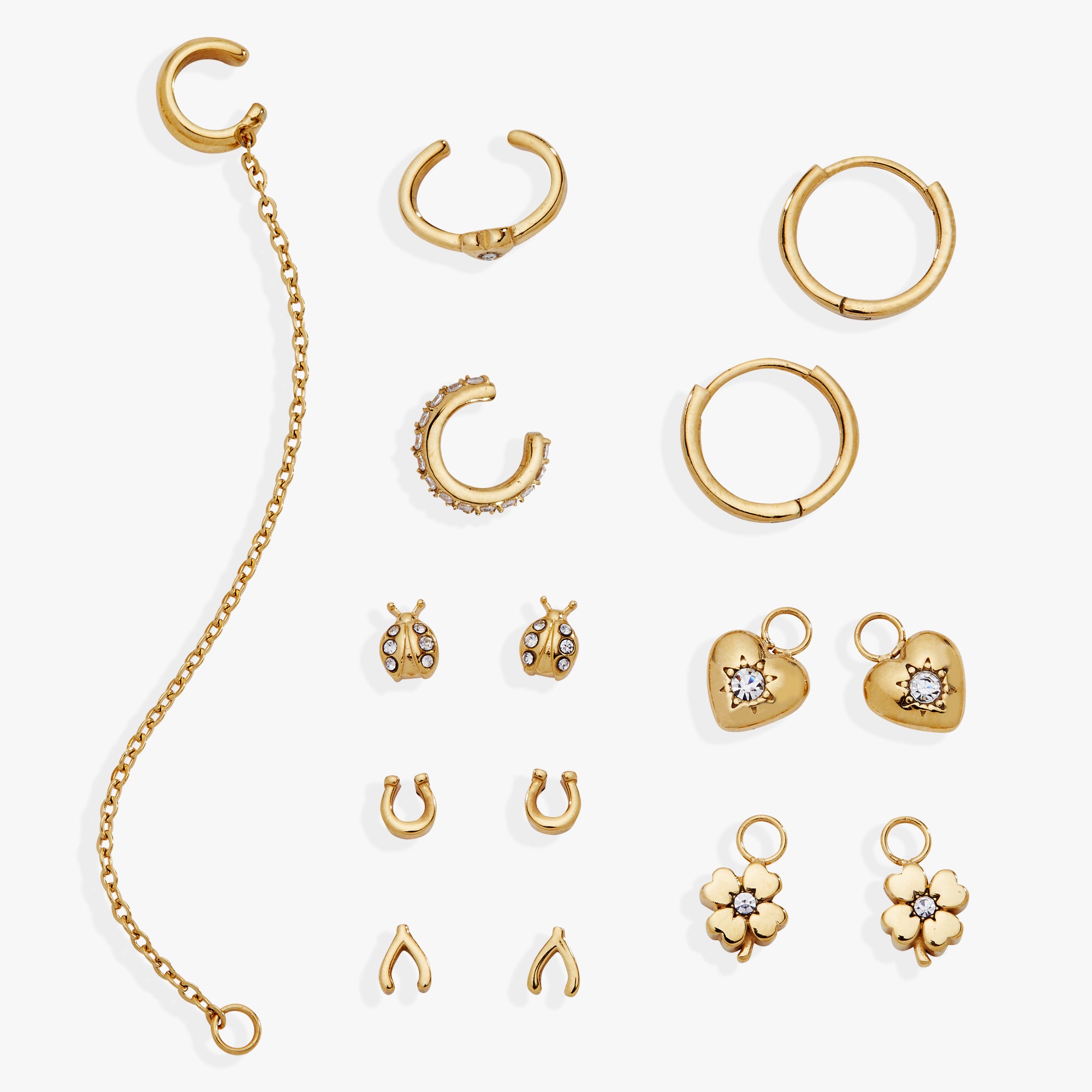
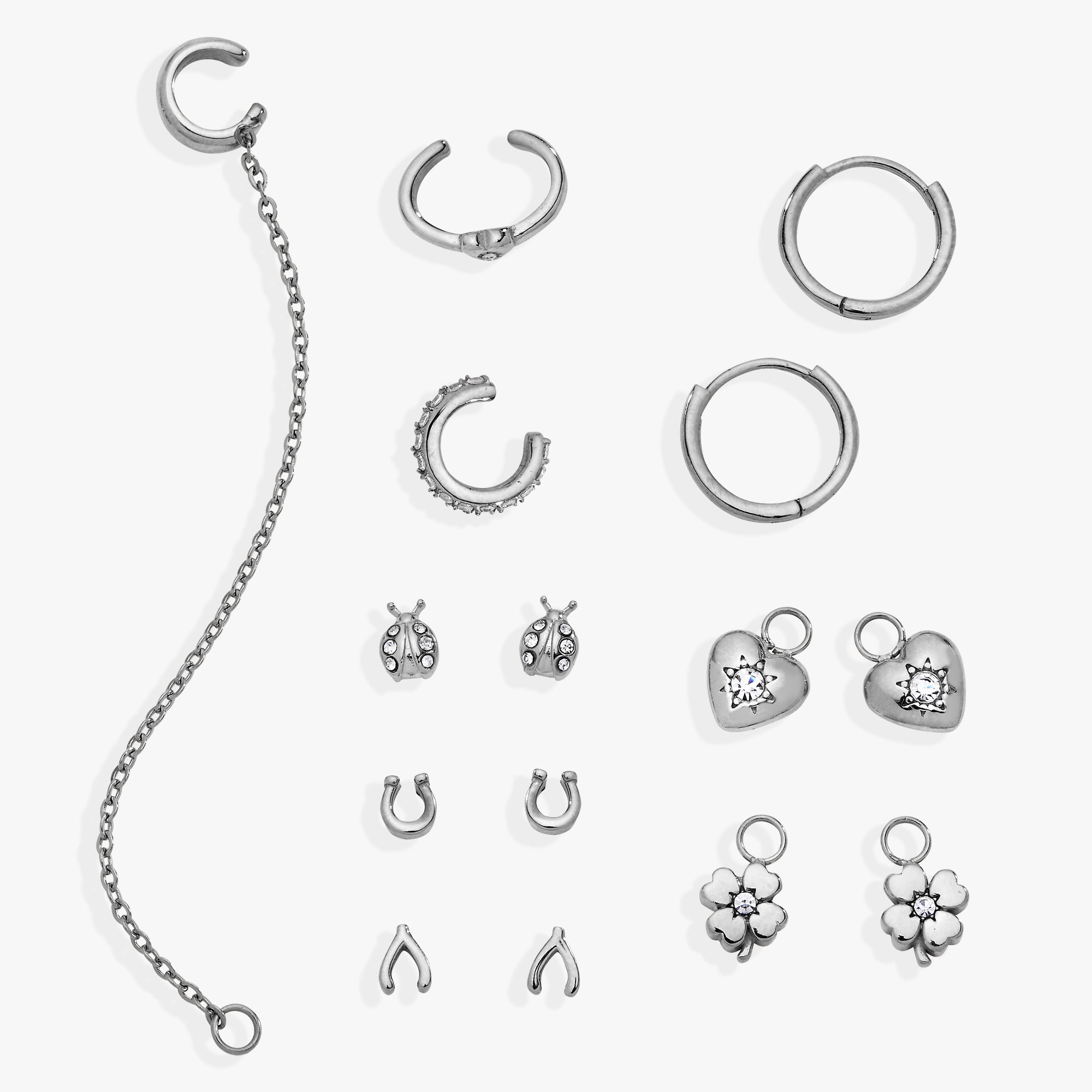
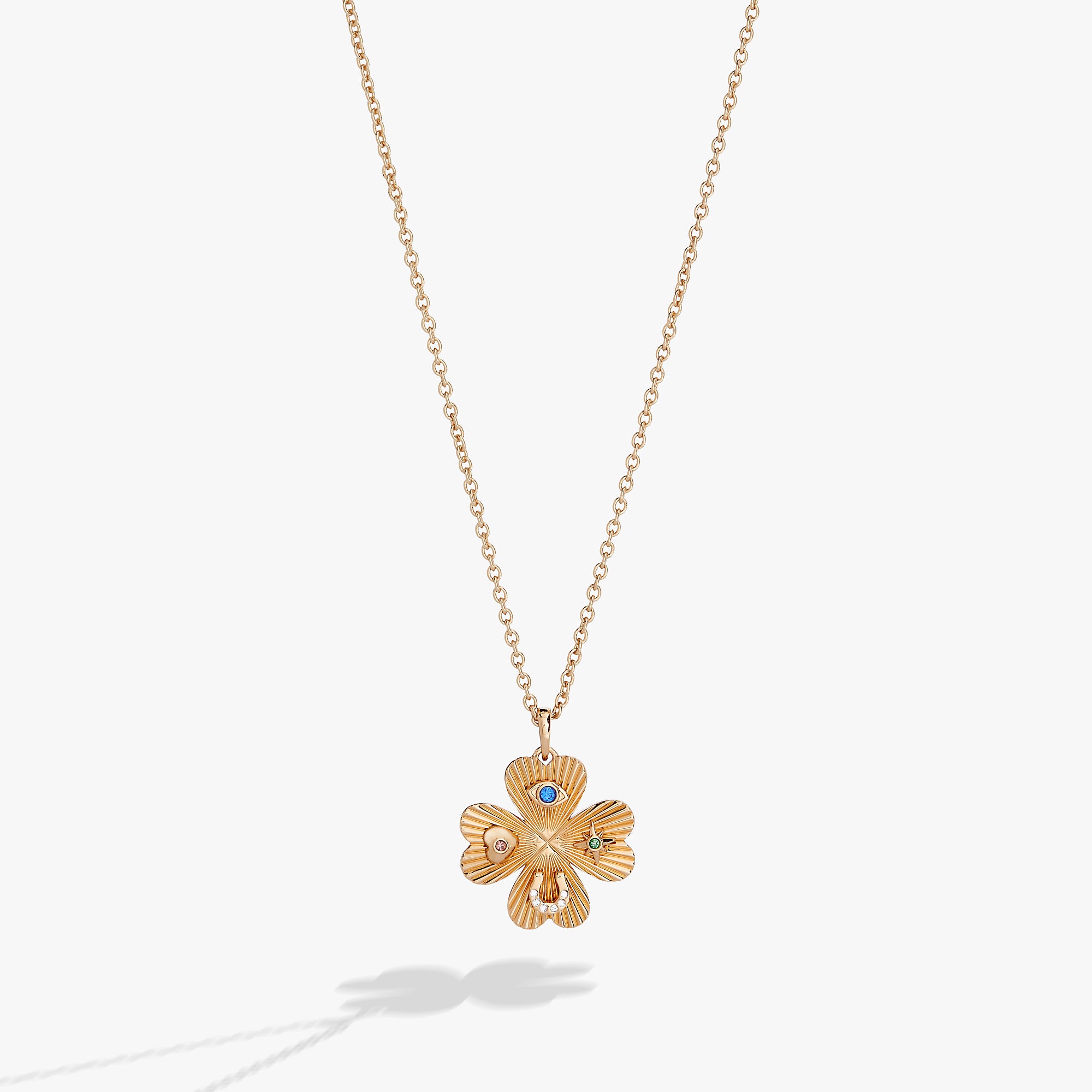
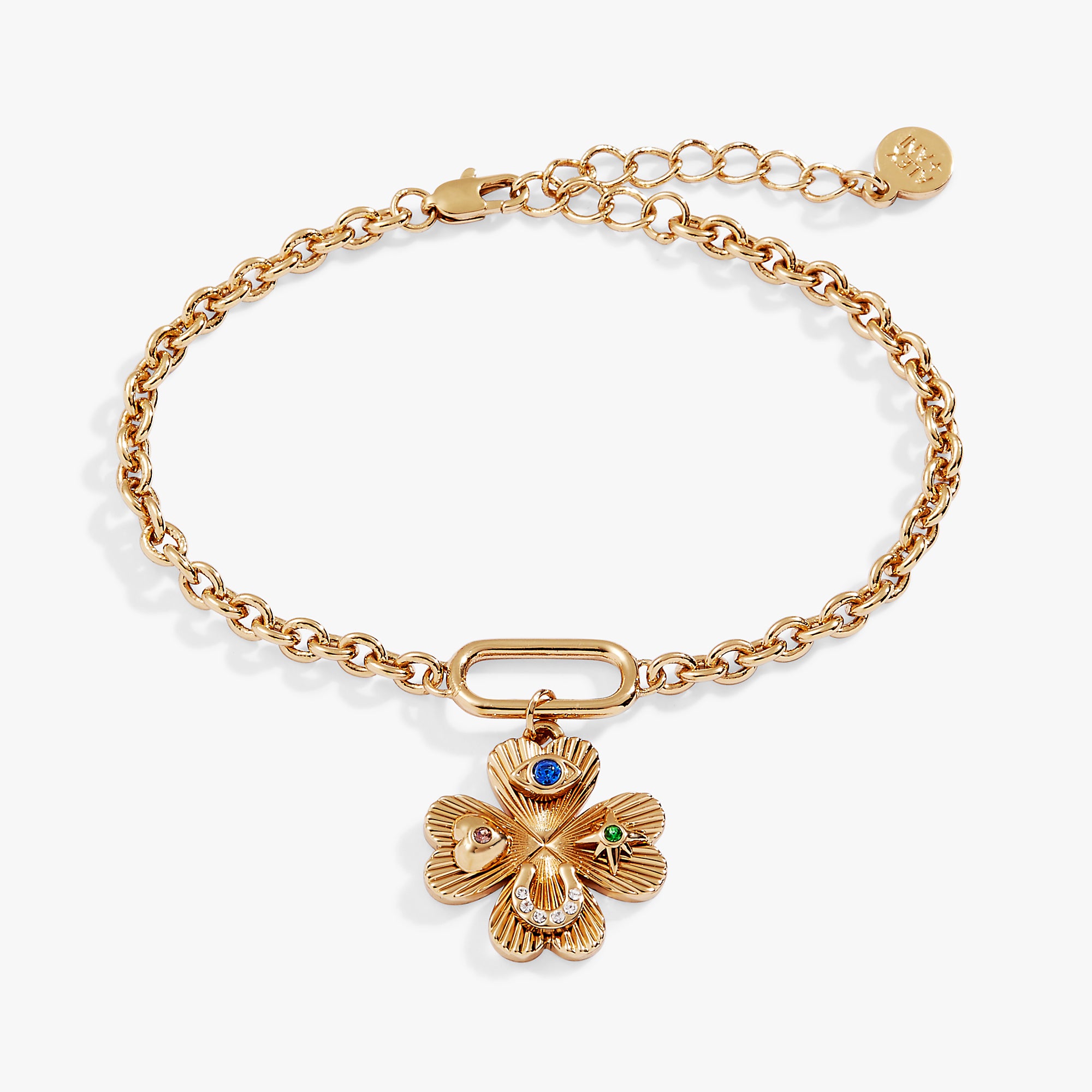
Popular symbols associated with lucky charms include the four-leaf clover, which is often seen as a sign of good fortune, and horseshoes, believed to bring protection and luck. Other symbols like fish, representing abundance and flow, and various charms that encourage positivity and personal empowerment also resonate with the theme of luck. These symbols can be incorporated into jewelry to serve as reminders of hope and the potential for good things to come.
Are there specific occasions or events where lucky charms are particularly meaningful?
Lucky charms are often associated with various occasions and events that celebrate good fortune and positivity. They can be especially meaningful during milestones such as birthdays, graduations, or new beginnings, where the hope for success and happiness is prevalent. Additionally, cultural celebrations like St. Patrick's Day highlight the significance of lucky symbols, making them a joyful accessory for festivities. Whether worn daily or on special occasions, lucky charms serve as a delightful reminder to embrace optimism and manifest dreams.
How do lucky charms differ in design and significance across various cultures?
Lucky charms vary widely in design and significance across different cultures, often reflecting unique traditions and beliefs. For instance, some cultures favor symbols like horseshoes or four-leaf clovers, which are commonly associated with good fortune and prosperity. Others may embrace charms that represent specific cultural heritage, such as fish or certain phrases that inspire positivity and luck. Ultimately, these charms serve as personal tokens of hope and encouragement, allowing individuals to express their own stories and aspirations.